Teams need a practical way to manage a student's first ride plan, not another set of disconnected notes. A school bus day moves through routes, stops, drivers, students, schools, and families. When one role works from old details, a small gap can become a delay or a safety concern. This guide explains how a student's first ride plan can support clear ownership, timely updates, and a record the whole team can trust.
The plan must protect the student while keeping every handoff clear and easy to verify. The best approach is simple enough for a busy morning but detailed enough for a hard exception. It should show what is current, who acts next, and how the result will be checked. The sections below turn that goal into a repeatable workflow for schools and transportation providers.
First Ride: Build the Foundation First
A strong approach to a student's first ride plan begins with one approved source of truth. Everyone does not need the same screen or the same level of access, but they must work from the same route and trip facts. Set clear role boundaries, use plain status names, and make open work visible. This reduces repeat questions and helps the team act before a small issue affects the next stop.
Field principle: A reliable bus day starts with one current plan and a visible owner for every next step.
A First Ride Begins Before the Bus Arrives
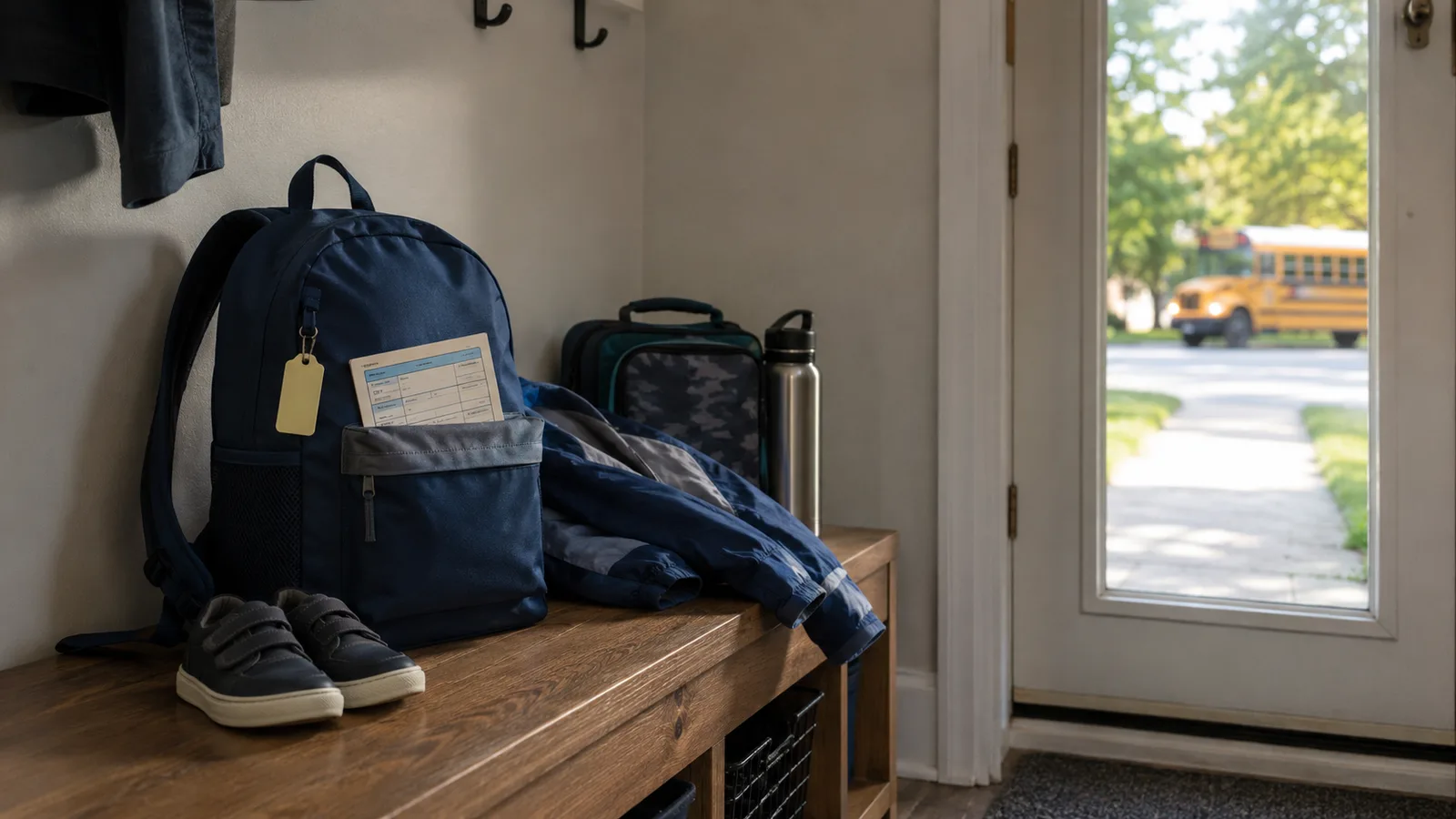
Preparation should be completed before the student appears at the stop. Use checked facts and give each person a clear next step. Set one owner, one deadline, and one place for the latest details. Tell the team what success looks like. Review the result before the next trip begins.
Confirm the Transportation Plan
A clear standard here prevents doubt during a busy route. A useful standard makes the next action easy to see and verify. Keep the workflow simple enough to use on a busy school day. Make each handoff visible to the next person. Update the shared record when the work is complete.
Assign the Correct Route and Stop
A student should not simply be added to the nearest route visible on a map. A temporary stop may be active for one service period but not the other. Check the active route, service date, and stop order before work begins. Remove old notes that can cause doubt. Share the approved version with every role that depends on it.
A Five-Step Workflow Teams Can Repeat
Use this sequence to manage a student's first ride plan with less guesswork. Each step has a clear output, so the team can move forward without relying on memory or side messages. The same sequence also gives managers a practical way to check progress, find open work, and prepare the next service period.
- Define the goal. Write down the outcome your team needs from a student's first ride plan for the trip, the staff, and the family.
- Check the source. Review the latest route, stop, student, driver, vehicle, and service-date details.
- Assign ownership. Give each open task to one person and set a clear time for the next check.
- Share the approved plan. Tell each role what changed, when it starts, and what action they need to take.
- Verify and close. Confirm the result, record any open follow-up, and remove notes that are no longer valid.
Add the Student to the Current Manifest
The team should settle this point before it affects a driver or family. A short review now can prevent a longer delay later in the day. Treat arrival, boarding, drop-off, and release as separate events. Give the driver the right instruction for each step. Ask the assigned team to verify any unclear result.
Prepare Driver-Relevant Information
This part helps the team make a clear choice before service begins. Use checked facts and give each person a clear next step. Confirm who owns the task before the bus leaves. Give the driver one clear source for the latest details. Record any change so the next shift can see it.
Clarify Pickup Expectations
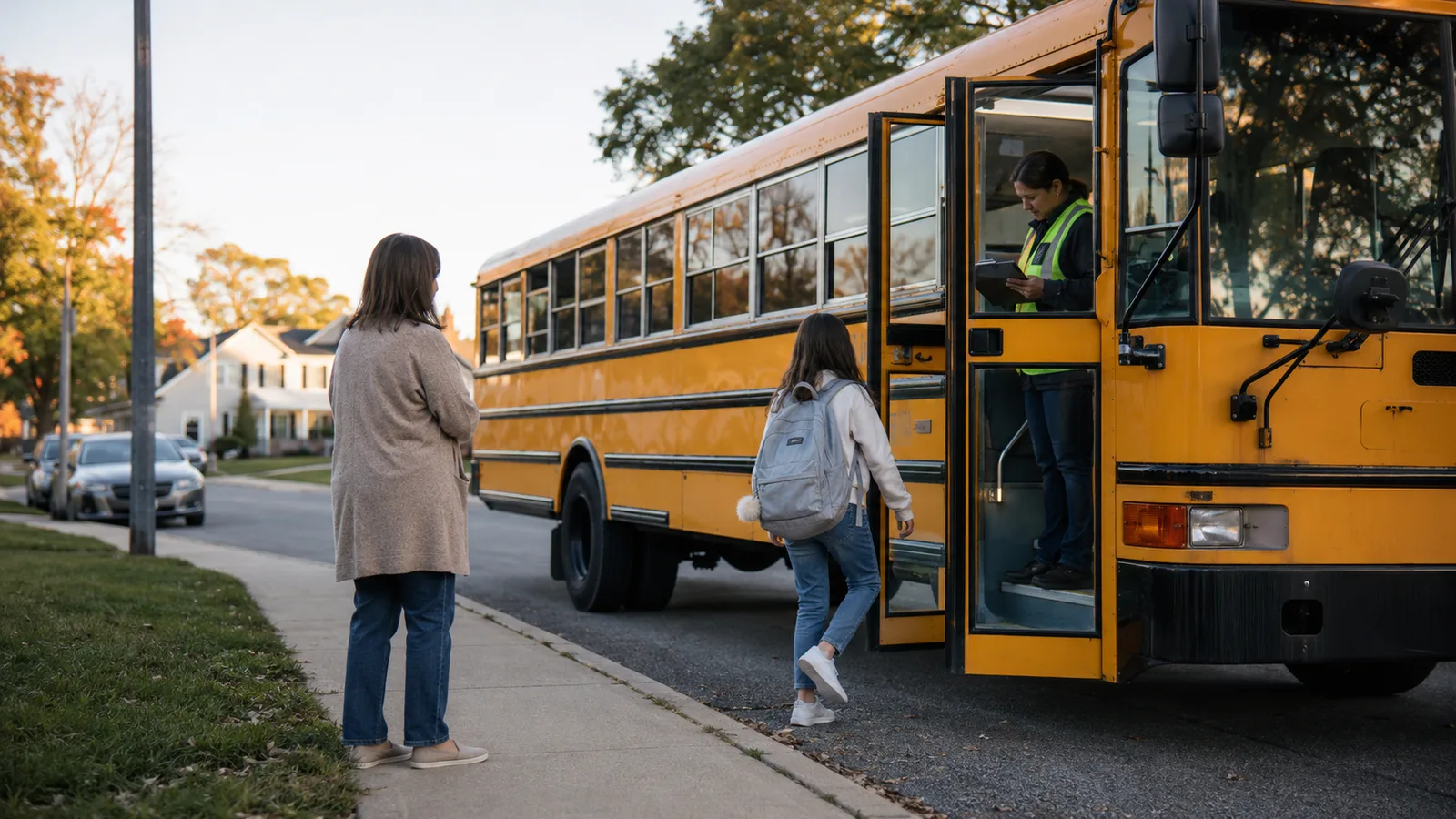
The family should know when transportation begins and where the student is expected to wait. A useful standard makes the next action easy to see and verify. Treat arrival, boarding, drop-off, and release as separate events. Give the driver the right instruction for each step. Ask the assigned team to verify any unclear result.
Pre-Service Checklist
A focused checklist supports a consistent approach to a student's first ride plan without adding another long meeting. Review these points before live service and again after any major change. If one item is unclear, assign it before the bus leaves instead of asking the driver to solve it during the trip.
Clarify Drop-Off and Release Conditions
Not every student requires an adult at drop-off, and not every student may be released without one. The shared record should show the owner, timing, and expected result. Use the latest student and manifest details. Keep private data limited to the people who need it. Record the action so the school and family can receive a checked update.
Communicate With the Family Before the First Ride
The team should settle this point before it affects a driver or family. A short review now can prevent a longer delay later in the day. Use plain words and one clear call to action. Keep the message consistent in every language and channel. Link the update to the same live record used by the transport team.
Language and Accessibility Matter
Families need instructions they can understand and use. Use checked facts and give each person a clear next step. Set one owner, one deadline, and one place for the latest details. Tell the team what success looks like. Review the result before the next trip begins. A short review at the end helps the team keep good steps and fix weak ones.
Common Mistakes to Avoid
Most failures do not begin with one large mistake. They grow from small gaps that stay open across several roles. A quick daily review can find those gaps while there is still time to act. Watch for the following patterns, then record the owner and next step for anything that remains open:
- Using an old route sheet after a newer version has been approved.
- Sending a family update before the transport team has checked the facts.
- Recording an issue without naming the person who owns the next step.
- Leaving a temporary note active after the condition has ended.
Related Guides for a Stronger Operation
A strong approach to a student's first ride plan works best when it connects with the rest of the operation. Continue with Creating a Safer Student Drop-Off and Release Process to improve the next part of the workflow. Use What Should Happen When a Student Is Missing From the Bus Stop when the team needs a closer look at daily roles and records. Then review How to Coordinate School Loading Zones During Afternoon Dismissal to connect the plan with another common school transportation challenge. These guides use the same core idea: current facts, clear ownership, and visible closure.
Make the Workflow Easier to Repeat
Results improve when the team follows the same clear workflow for a student's first ride plan. Keep the plan current, give each task an owner, and record the result before the next handoff. When the same steps work across school, provider, driver, and family roles, the work becomes easier to manage and improve. Learn how Bus Pingo connects these roles in one shared transportation flow, or book a demo to review the workflow with your team.
What does a strong approach to a student's first ride plan require?
A clear approach to a student's first ride plan gives each role current facts, visible ownership, and a reliable way to verify the result.
What should the transportation team review first?
Start with the active route, service date, driver and vehicle assignment, student details, temporary notes, and any open issue from the prior trip.
How can Bus Pingo support the workflow?
Bus Pingo connects role-based route, trip, student, driver, vehicle, incident, and family information so teams can work from one shared transportation flow.